
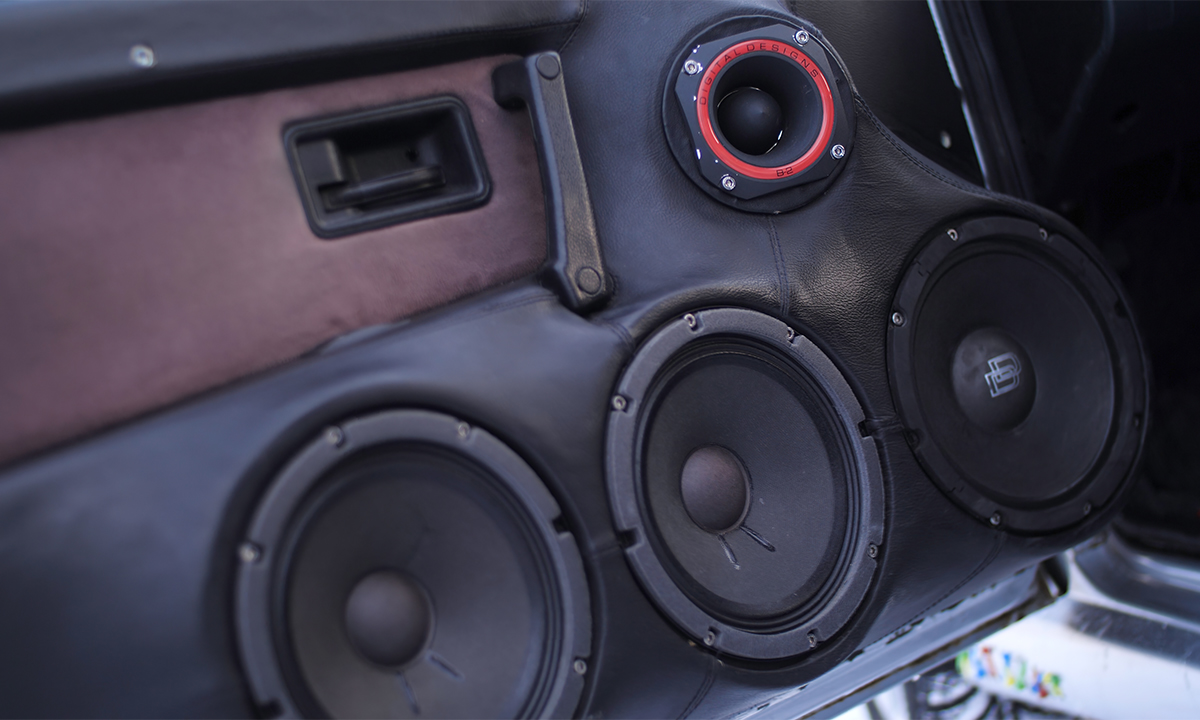
If your car speakers are not working on one side, it could be due to several issues. Start by checking the balance and fader settings on your car stereo, as improper adjustments can lead to uneven sound. Next, inspect the speaker wires and connections to ensure there are no loose or damaged cables affecting performance. If these steps don’t resolve the issue, diagnose any potential problems with the amplifier or head unit, as failures in these components can impact sound distribution. Finally, if you suspect a blown car speaker, consider replacing it to restore optimal sound quality. Troubleshooting these areas can help you identify the root cause of the issue with car speakers not working on one side.
Check Balance and Fader Settings in Your Car Stereo
When dealing with the issue of car speakers not working on one side, the first step is to check your stereo’s balance and fader settings. These adjustments control the distribution of audio throughout the vehicle and can sometimes be accidentally altered. Make sure to navigate to your car stereo settings and confirm that the balance is centered and the fader is set to an equal position between front and rear speakers.
If you find that the settings are correct and audio is still only coming from speaker only one side, it’s time to look deeper into potential car audio problems. These issues can stem from various sources such as wiring, speaker malfunction, or even the head unit itself. Performing a thorough inspection can help you narrow down the cause and take appropriate action.
Common Causes of Audio Problems
- Misadjusted balance and fader settings
- Loose or damaged speaker wires
- Blown speaker cone or voice coil
- Faulty head unit output
- Issues with the external amplifier
- Software glitches in the stereo system
- Corroded or rusted connections
By identifying the above factors, you can effectively troubleshoot the problems and potentially resolve your car audio issue. If, after checking these elements, you still face problems with car speakers not working on one side, consider seeking professional assistance to diagnose deeper electrical issues that may require expert intervention.
Inspect the Speaker Wires and Connections
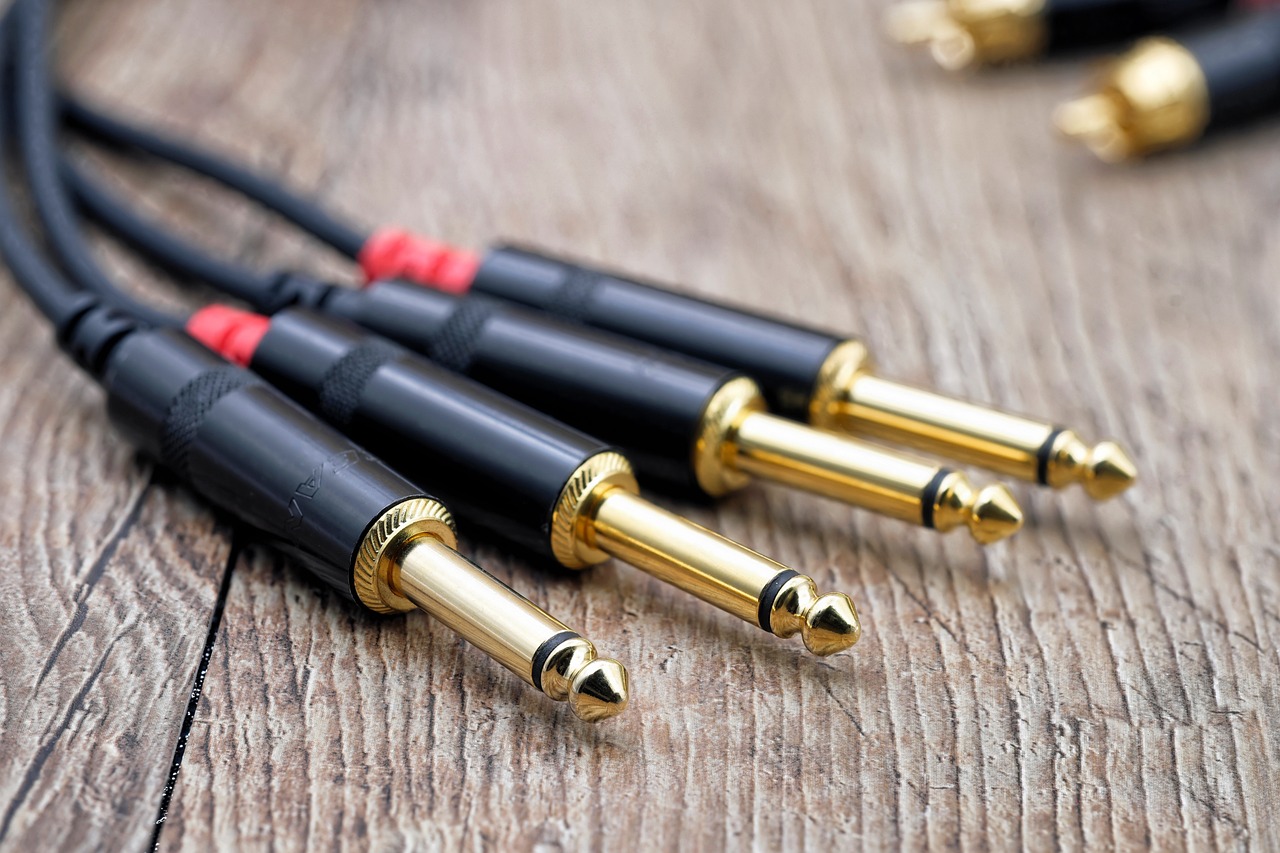
One common reason why car speakers are not working on one side could be linked to faulty wiring or loosened connections. It’s vital to conduct a thorough audio wiring check to ensure that all wires are intact and properly connected. Start by locating the speaker wires running to the malfunctioning speaker. Over time, vibrations from the car audio system or physical damage can lead to frayed or disconnected wires, preventing the electrical signal from reaching the speaker.
| Wire Condition | Potential Issue | Solution |
|---|---|---|
| Frayed wires | Intermittent sound | Replace or repair the wires |
| Loose connections | No sound | Tighten and secure connections |
| Disconnected wires | No sound | Reconnect the wires properly |
| Corroded connectors | Degraded audio quality | Clean and treat connectors |
After checking the wiring, the next step is to focus on the connections. Ensure that the speaker terminals are securely connected to both the speaker and the audio unit. Sometimes, a loose terminal can cause a break in the signal flow, leading to the issue of car speakers not working on one side. If needed, use a multimeter to test the continuity of the wires and connections.
Steps to Diagnose the Problem
- Check the car stereo’s balance and fader settings.
- Visually inspect the speaker wires for damage.
- Ensure all connections are secure and tighten any loose terminals.
- Test the speakers individually by swapping them.
- Use a multimeter to check for continuity in the wiring.
- Inspect the car amplifier for any signs of malfunction.
- Consult a professional if issues persist.
Check Audio Wiring
When verifying the audio wiring, it’s important to pay attention to all components involved. This includes the wiring harness connected to the head unit as well as any in-line connectors that might exist. Damaged or poorly connected wires can lead to significant audio problems. If necessary, look into a fix car stereo issue guide specific to your vehicle model for detailed instructions on how to effectively troubleshoot wiring concerns.
Inspect the Car Amplifier
If the wiring and connections seem sound, you may need to inspect the car amplifier. An amplifier that isn’t functioning correctly can severely affect audio output. Look for any signs of damage on the amplifier and check the power supply. If everything appears normal but the speakers are still silent on one side, it may be time to consult a professional to evaluate the amplifier’s functionality.
Diagnose Issues with the Amplifier or Head Unit
When you notice that your car speakers are not working on one side, it is essential to consider the amplifier or head unit as potential culprits. If the sound is not balanced in the car, this could indicate a problem with the output from the amplifier or the head unit itself. Begin by checking the settings on the unit to ensure that both channels are configured correctly. A common issue could stem from not having the amplification set correctly for both speakers, leading to a noticeable imbalance.
Tips for a Balanced Sound
- Check and adjust the balance settings in your car stereo.
- Inspect the amplifier volume levels to ensure they are even.
- Verify all connections are tight and free from corrosion.
- Make sure the head unit is updated with the latest firmware if applicable.
- Listen for any distortion that might indicate a failing amplifier.
- Consider performing a reset on your head unit to clear any glitches.
- If applicable, test the system with a different source, like Bluetooth or USB.
Once you have verified these settings and conditions, the next step is to conduct a thorough physical inspection of your amplifier and head unit. Look for any signs of wear, disconnection, or damage that might affect performance. If you suspect they are not functioning properly, consulting a professional may be a wise choice to ensure that your sound is restored to its optimal state.
When to Replace a Blown Car Speaker
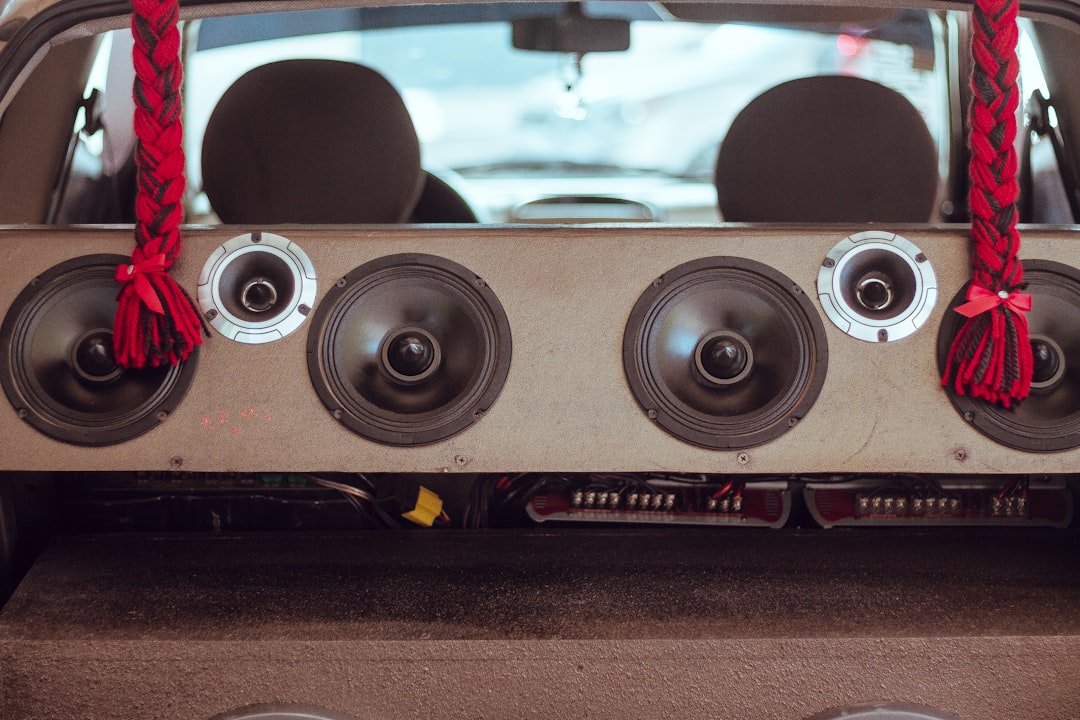
Identifying the right moment to replace a blown car speaker is crucial for maintaining your vehicle’s audio experience. If you find that your car speakers are not working on one side, it might indicate a more significant issue. Among the most common contributors to this problem are faults in the audio wiring, or a car amplifier issue. Listening for unusual sounds or complete silence can help you pinpoint whether it’s time for a replacement, or if a simple fix will suffice. Regular maintenance and checks can extend the life of your car’s audio system.
Actionable Steps to Follow
- Check the balance and fader settings in your car stereo.
- Inspect the speaker wires and connections for any visible damage.
- Perform an audio wiring check to ensure continuity and proper connectivity.
- Diagnose issues related to the amplifier or head unit.
- Test the speakers with a different amplifier or head unit if available.
- If all else fails, listen for any signs of physical damage to the speakers themselves.
- Replace the blown speaker only if it is confirmed to be defective beyond repair.
Replacing a blown speaker typically requires some knowledge of your car’s audio setup. If you are unsure about conducting repairs, consulting a professional may be the best course of action. More often than not, addressing the issue promptly can save you from incurring additional costs down the line and ensure that you continue to enjoy your favorite tunes without interruption. Remember, recognizing the early signs of speaker failure can lead to a simple remedy rather than an expensive replacement.
Frequently Asked Questions
What could cause car speakers not to work on one side?
Several factors can contribute to car speakers not working on one side, including incorrect balance and fader settings, damaged speaker wires, a malfunctioning amplifier, or a blown speaker.
How can I check the balance and fader settings in my car stereo?
To check the balance and fader settings, access your car stereo's audio settings menu, typically found through buttons or touchscreen controls. Ensure the balance is set to the center and the fader is adjusted appropriately to deliver sound equally to both front and rear speakers.
What should I look for when inspecting speaker wires and connections?
When inspecting speaker wires and connections, look for frayed or broken wires, loose connections, or corrosion at the terminals. Make sure all connections are secure and that there are no visible signs of damage.
How can I diagnose issues with the amplifier or head unit?
To diagnose issues with the amplifier or head unit, listen for any signs of distortion, check for blown fuses, and verify that the amplifier is receiving power. Additionally, testing the head unit with a different speaker can help determine if the issue lies within the head unit.
When should I consider replacing a blown car speaker?
Consider replacing a blown car speaker if you hear distortion or no sound from the speaker after checking all wiring and audio settings. If other troubleshooting methods fail and the speaker shows physical damage, replacement is usually necessary.
Can I fix a blown speaker myself, or do I need professional help?
In some cases, if the speaker's components are damaged but not destroyed, you might be able to replace parts like the cone or voice coil yourself. However, if the speaker is extensively damaged, professional help or complete replacement is recommended.
What tools do I need to troubleshoot car speakers effectively?
Essential tools for troubleshooting car speakers include a multimeter for testing electrical connections, wire strippers and connectors for repairing wires, and basic tools like screwdrivers for removing speaker covers.
Is it common for car speakers to fail one at a time?
Yes, it is common for car speakers to fail one at a time, often due to wear and tear, exposure to moisture, or manufacturing defects that can lead to gradual failure over time.
What can I do if troubleshooting doesn’t resolve the speaker issue?
If troubleshooting doesn't resolve the speaker issue, consider consulting a professional car audio technician, as they can provide an in-depth diagnosis and repair or replacement solutions.
Are there preventative measures to avoid issues with car speakers?
To prevent issues with car speakers, regularly check connections and wires for wear, avoid exposure to moisture, and make sure that your audio system is not pushed to extreme volumes that can damage speakers.