
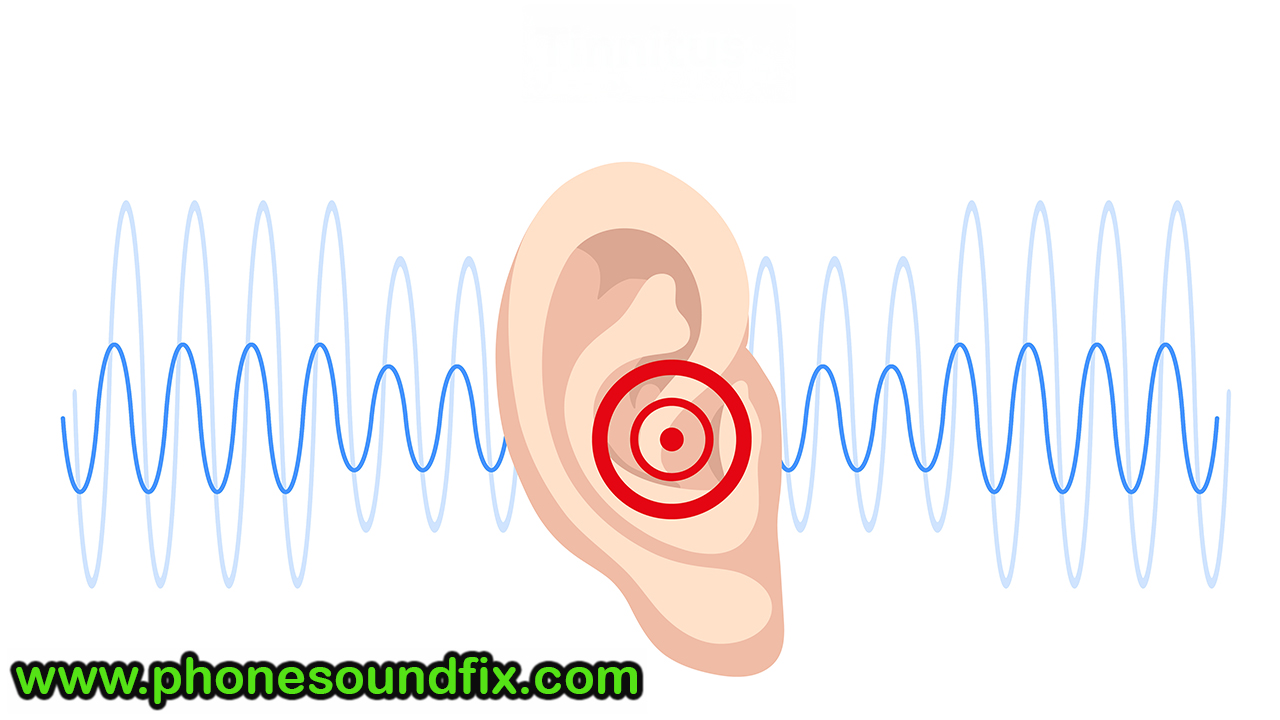
This blog post explores the question, does high volume damage ears? It begins by explaining how decibels measure sound intensity and identifies what qualifies as dangerously loud. The article outlines symptoms of hearing damage from exposure to high-volume audio, emphasizing the importance of recognizing these signs early. Additionally, it provides guidelines for safe listening times at various volume levels to help protect your hearing health. To further assist readers, the post offers practical advice on using volume limiters on smartphones, encouraging responsible listening habits. Overall, it highlights the risks associated with loud music and offers solutions to mitigate potential damage.
How Loud Is Too Loud? Understanding Decibels
Understanding the relationship between volume and ear health is crucial, especially in a world saturated with loud music and other audio sources. Research indicates that prolonged exposure to high volumes can result in irreversible ear damage from loud music. Many people enjoy their favorite tracks at high volume levels, unaware of the potential risks they are exposing their ears to. The general consensus among audiologists is that sound levels above 85 decibels can significantly increase the risk of hearing loss over time. It’s essential to recognize that the longer you are exposed to loud sounds, the greater the risk of damage.
Key Factors Influencing Ear Damage
- Volume Level: Higher decibel levels increase the risk of ear damage.
- Exposure Time: The longer the duration of exposure to loud sounds, the greater the risk.
- Type of Sound: Continuous sounds pose a more significant threat than intermittent sounds.
- Personal Health: Pre-existing conditions or previous hearing damage can heighten sensitivity.
- Age: Younger individuals are generally at a higher risk of developing issues due to exposure.
- Use of Ear Protection: Not using earplugs or headphones with good noise cancellation can lead to increased exposure.
Listening at high volumes can lead to profound and often permanent consequences for your hearing. Understanding safe volume levels—typically around 60% of your device’s maximum volume for no more than 60 minutes a day—can help prevent hearing loss. Limit exposure to loud environments whenever possible and use noise-canceling headphones to minimize background noise, allowing you to listen at lower, safer volumes. Always remember, protecting your ears today will ensure you enjoy your favorite sounds tomorrow.
Symptoms of Hearing Damage from Loud Audio
Listening to your favorite music or podcast at high volumes can be enjoyable, but it is essential to recognize the symptoms of hearing damage that may arise from prolonged exposure to loud audio. Many individuals often wonder, does high volume damage ears? The answer is yes, and being aware of the symptoms can help in preventing any permanent harm. Common indicators of hearing damage include difficulty understanding speech, muffled hearing, and persistent ringing in the ears, known as tinnitus. These symptoms may not be immediately apparent but can escalate over time if high audio levels are consistently maintained.
Moreover, age and noise exposure history can impact how quickly someone experiences these symptoms. Younger individuals might dismiss early signs, thinking they will fade away, but ignoring such warnings can lead to lasting effects. In fact, noise-induced hearing loss can occur even after exposure to sounds that are just slightly above safe levels. It is vital to learn how loud is too loud to protect your auditory health.
| Symptom | Description | Action to Take |
|---|---|---|
| Tinnitus | Ringing or buzzing noise in the ears | Consult a healthcare professional |
| Muffled Hearing | Difficulty hearing sounds clearly | Lower volume levels and seek medical advice |
| Sensitivity to Sound | Discomfort or pain in response to sound | Avoid loud environments |
| Straining to Hear | Need to increase effort to understand speech | Take a break from audio exposure |
In addition to recognizing these symptoms, it’s crucial to understand that the risk of hearing damage increases with prolonged exposure to loud sounds, especially from headphones. Keeping track of your listening habits can help mitigate risks. Taking breaks and using lower volumes can significantly aid in preserving your hearing health. By following the proper guidelines for listening, you can enjoy audio content while maintaining headphone sound safety.
Steps to Ensure Headphone Sound Safety
- Keep the volume at or below 60% of maximum capacity.
- Limit listening time to a maximum of 60 minutes.
- Use over-ear headphones instead of earbuds to reduce the need for high volume.
- Take frequent breaks to help prevent auditory fatigue.
- Invest in noise-canceling headphones to avoid raising volume in noisy environments.
- Regularly check your hearing with professional audiometric tests.
By being mindful of the symptoms of hearing damage, individuals can take proactive steps to protect their auditory health. Paying attention to volume levels and recognizing warning signs is essential in maintaining a healthy relationship with sound. Ignoring these signals can lead to irreversible damage, making education and prevention crucial for all audio enthusiasts.
Statistics on Hearing Loss
Understanding the prevalence of hearing loss due to loud audio exposure can shed light on the urgency of addressing this issue. According to the World Health Organization, approximately 1.1 billion young people are at risk of hearing loss due to the increasing use of personal audio devices at high volumes. This alarming statistic highlights the need for increased awareness and education on safe listening practices.
Effects of Prolonged Exposure
Prolonged exposure to loud sounds can lead to a gradual loss of hearing, which is often unnoticed until significant damage has occurred. Research indicates that exposures to sounds above 85 decibels for extended periods can pose serious risks. Each additional decibel can compound the effects, leading to more severe damage over time. Thus, vigilance in monitoring volume levels and understanding safe listening habits is paramount for preserving hearing health.
Safe Listening Time at Different Volume Levels
Listening to music or audio at high volume levels can pose serious risks to your hearing health. Research shows that prolonged exposure to loud sounds, especially those above 85 decibels, can result in hearing loss from earphones and other audio devices. Different volume levels dictate how long you can safely listen before risking ear damage from loud music. Understanding these safe listening times is crucial for maintaining your auditory well-being.
The National Institute on Deafness and Other Communication Disorders (NIDCD) provides guidelines regarding safe exposure limits. For example, if you listen to audio at a moderate volume (around 70 decibels), you can safely enjoy it for more than 24 hours. However, at 85 decibels, the safe listening limit drops to about 8 hours. Each increase of 3 decibels halves the permissible listening time, making it essential to remain mindful of your audio levels.
Warning Signs of Hearing Loss
- You frequently ask others to repeat themselves.
- You notice a ringing in your ears (tinnitus).
- Conversations sound muffled or unclear.
- You struggle to hear in noisy environments.
- You find it difficult to follow conversations on the phone.
- You increase the volume on your TV or music devices often.
Being aware of these warning signs can help you take action before ear damage from loud music becomes irreversible. Implementing strategies such as regulating volume levels and taking breaks during prolonged listening can significantly reduce the risk of hearing loss. Always prioritize your hearing health by being vigilant about the auditory environments you expose yourself to.
How to Use Volume Limiters on Your Phone
Utilizing volume limiters on your phone is an essential step to ensure you adhere to safe volume levels and protect your hearing. Most modern smartphones come equipped with built-in volume limit features, which can be found in the settings menu. By activating this feature, you can set a maximum decibel level for your audio output. This not only prevents accidental exposure to loud sounds that can lead to hearing loss from earphones but also encourages healthier listening habits.
Tips for Safe Listening Habits
- Adjust your volume to stay within safe volume levels; typically, this is around 60% of the maximum volume.
- Limit listening duration to avoid prolonged exposure to high decibel levels.
- Use noise-cancelling headphones to minimize the need for higher volumes.
- Incorporate breaks into your listening sessions to give your ears time to recover.
- Regularly check the settings on your device to ensure the volume limiter is active.
- Be mindful of the environment and avoid loud surroundings when using earphones.
- Educate others about the risks of high volume listening to promote healthier habits.
By taking advantage of volume limiters, you can drastically reduce the risk of hearing loss from earphones while enjoying your favorite music or podcasts. Consistently monitoring your volume settings is crucial, as failing to do so can lead to irreversible damage to your hearing. To reinforce this message, remember that the goal is to listen at volumes that will not cause harm, allowing you to enjoy audio without sacrificing your hearing health.
Frequently Asked Questions
What is considered a high volume level for listening to music?
Sounds above 85 decibels (dB) are generally considered high volume and can be harmful to your ears if exposure is prolonged.
How can I determine if I'm listening at a damaging volume?
If you have to raise your voice to be heard over the music or noise, it’s likely too loud and could be damaging your hearing.
What are the early signs of hearing damage from loud audio?
Early symptoms may include ringing in the ears (tinnitus), muffled hearing, or a temporary reduction in hearing sensitivity after exposure.
What volume levels are safe for listening without risking hearing damage?
Listening at or below 70 dB is typically considered safe for extended periods without risking hearing damage.
How long can I safely listen to music at high volume levels?
At 85 dB, it is recommended to limit exposure to no more than 8 hours. Each increase of 3 dB halves the safe listening time.
Can I permanently damage my hearing by listening to loud music occasionally?
Yes, even occasional exposure to very loud music can lead to permanent hearing loss over time, especially when the volume exceeds safe levels.
What are some effective ways to protect my ears while enjoying music?
Using noise-canceling headphones, taking regular breaks, and keeping the volume at or below 70 dB can help protect your ears.
How do volume limiters on smartphones work to protect my hearing?
Volume limiters cap the maximum audio output level, preventing users from accidentally exceeding safe listening volumes.
Is it safe to use earbuds at high volume levels?
Using earbuds at high volume levels can be particularly risky as they sit closer to the eardrum, increasing the potential for hearing damage.
What should I do if I experience symptoms of hearing damage?
If you experience symptoms like tinnitus or muffled hearing, it is advisable to consult an audiologist or a healthcare professional for evaluation and guidance.