
Using your phone speaker at full volume may seem convenient, but it comes with hidden risks that can affect both your device and your hearing. This blog post delves into the science behind speaker functionality, explaining how excessive volume can lead to distortion and potential damage over time. It also offers best practices for loudspeaker care, including optimal volume settings and placement tips to enhance audio quality without straining your device. Additionally, actionable takeaways are provided to help users maintain a balanced audio experience while safeguarding their hearing health. By understanding the implications of using phone speaker at full volume constantly, readers can make informed choices that protect their technology and well-being.
The Hidden Risks Of Using Your Phone Speaker At Full Volume
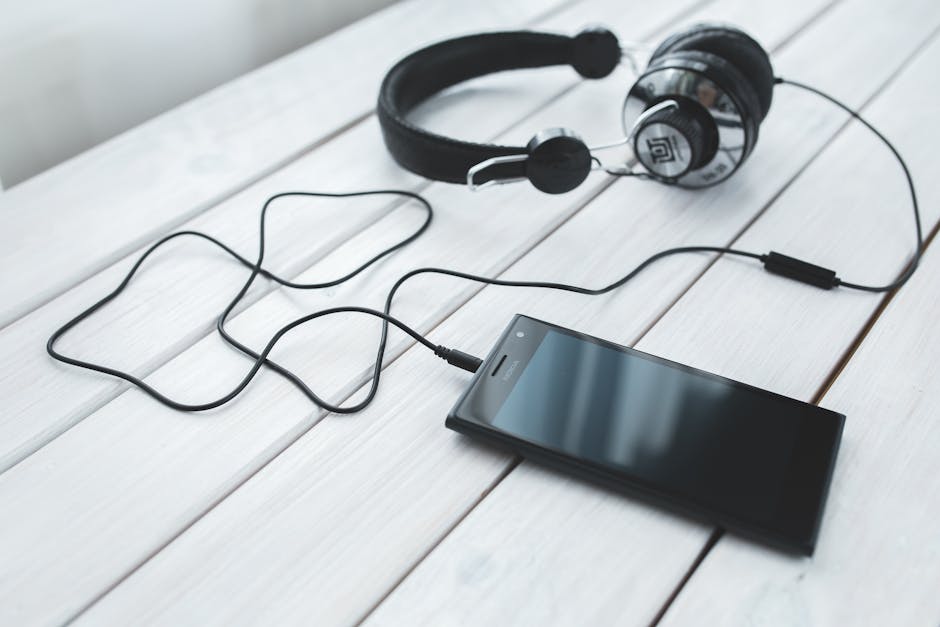
Using your phone speaker at full volume may seem convenient, especially when sharing music or videos with friends. However, constantly operating your device at this level can lead to serious consequences. One of the primary issues is full volume speaker damage. When a speaker is pushed to its limits, the components experience strain that may lead to premature wear and eventual failure.
Common Issues Caused By High Volume
- Distorted sound quality, often referred to as speaker distortion
- Increased risk of irreversible speaker damage
- Reduced battery life due to higher power consumption
- Overheating of the device
- Poor audio clarity when pushing the limits of sound
- Compromised listening experience in noisy environments
Moreover, using your phone speaker at full volume can create a negative feedback loop. As speaker distortion occurs, users may feel tempted to crank up the volume even more to compensate for the loss of sound quality. This only exacerbates the existing problems and accelerates the risk of full volume speaker damage over time. It’s essential to be mindful of how high you set your phone’s volume while enjoying your audio content.
Understanding The Science Behind Speaker Functionality
Understanding how phone speakers work can help users appreciate the technology behind the sounds they enjoy daily. Speakers convert electrical energy into sound waves. When you push your phone speaker to its limits by using it at full volume constantly, you not only risk damaging the speaker but also compromise sound quality. This section will delve into the science behind speaker functionality, highlighting the risks associated with using a phone speaker at full volume.
The physical components of a speaker, including the diaphragm and voice coil, vibrate to create sound. As the volume increases, these components strain to maintain performance, leading to potential speaker distortion. This distortion is not only unpleasant to hear but also signals that the components are being pushed beyond their optimal limits. Users should strive for a balance to ensure audio clarity while protecting their device’s sound system.
| Aspect | Impact of High Volume | Optimal Usage Tips |
|---|---|---|
| Speaker Distortion | Causes unclear and muffled sound | Use at moderate volume levels |
| Battery Drain | Increases energy consumption | Lower volume to conserve battery life |
| Heat Generation | May lead to overheating | Let the device cool down |
| Speaker Lifespan | Reduces longevity of speaker components | Practice regular maintenance |
Proper management of phone speaker volume is essential for maintaining sound quality and extending device longevity. One way to achieve this is by observing the concept of a safe volume level, which can vary depending on different usage scenarios. Engaging the speaker at a reasonable volume not only ensures clarity but also enhances the overall audio experience.
The Role Of Safe Volume Level
Remaining mindful of a safe volume level is crucial for sound quality preservation. Consistently using phone speakers at high volumes can lead to a host of issues, including distortion and overheating. By lowering the volume, users can enjoy clearer audio without overloading the speaker components, effectively prolonging their life as well. Awareness of these factors can profoundly influence how users interact with their audio technology.
Steps To Maintain Good Speaker Health
- Avoid playing audio at maximum volume.
- Limit exposure to moisture and debris.
- Give the speaker time to cool down after prolonged use.
- Regularly clean the speaker grille.
- Use features like equalization to adjust sound quality.
- Check for software updates to enhance audio performance.
- Store the device properly to prevent physical damage.
By following these steps and being aware of the speaker’s functionality, users can effectively prolong their device’s lifespan while enriching their listening experience. Protecting your device should always be a priority to ensure that it continues to perform at its best without compromising sound quality.
Best Practices For Loudspeaker Care Tips
Consistently using your phone speaker at full volume can lead to various issues, including speaker distortion and potential damage over time. While it may seem harmless to crank up the volume for a better audio experience, this practice can actually strain your device’s speakers, resulting in diminished sound quality. Additionally, prolonged exposure to high volume can lead to hearing loss, making it crucial to be mindful of your listening habits.
Tips To Keep Your Phone Speaker Healthy
- Limit volume levels to 70-80% for daily use.
- Choose high-quality audio files to avoid distortion.
- Avoid playing audio in environments with excessive background noise.
- Periodically clean your phone speakers to remove dust and debris.
- Use headphones or external speakers for a better audio experience.
- Update your phone software regularly for optimized sound settings.
Following proper loudspeaker care tips can significantly extend the lifespan of your phone’s speaker. It’s crucial to understand that speakers are designed to handle a specific range of volume. Depending on the quality and brand of your device, excessive volume can lead to increased heat and possible wear on the internal components. By being mindful of your volume levels, you can maintain clear audio without putting unnecessary strain on your device.
A wise practice is to treat your phone speakers as you would treat high-end audio equipment; a little care can go a long way in preserving their integrity.
By adopting these loudspeaker care tips, users can enjoy their audio experience while also protecting their device from speaker distortion and potential damage. Remember, a balanced approach to volume not only preserves the speaker quality but also ensures that you maintain a healthy relationship with sound for years to come.
Actionable Takeaways To Ensure Your Audio Experience
When considering the health and longevity of your phone’s audio capabilities, it’s critical to understand the potential consequences of using phone speaker at full volume constantly. Excessive volume can lead not just to poor sound quality but also full volume speaker damage over time. By taking proactive measures, you can enhance your audio experience while preserving your device’s speaker life.
Steps To Protect Your Speaker
- Keep the volume at an optimal level, ideally 70% of the maximum.
- Avoid using your phone speaker in noisy environments where you may be tempted to crank up the volume.
- Regularly clean the speaker grill to prevent dust build-up that can muffle sound.
- Utilize external speakers or headphones for enhanced quality rather than relying solely on the built-in speaker.
- Limit the duration of high-volume playback to prevent overheating and strain on the speaker.
- Use audio enhancement apps that can boost sound quality without increasing volume.
Taking these steps can significantly extend phone speaker life and improve audio clarity. Understanding the limitations of your device’s speaker is essential for maintaining its performance. As audiophiles and casual users alike know, caring for your phone’s speaker means you can continue enjoying a rich audio experience without the drawbacks of damage.
Frequently Asked Questions
What are the potential risks of using my phone speaker at full volume?
Using your phone speaker at full volume can put excessive strain on the speaker components, leading to distortion and permanent damage over time. Additionally, it can contribute to hearing loss if you frequently expose yourself to loud sounds.
How does sound volume affect the longevity of my phone's speaker?
Continually operating your phone's speaker at maximum volume can generate heat and cause wear on the delicate components, significantly reducing its lifespan and performance quality. Speakers are designed for optimal sound at moderate volumes.
What is the science behind speaker functionality related to volume levels?
Speakers convert electrical energy into sound waves. When pushed to full volume, they work harder, generating more heat and potentially causing the materials inside to warp or degrade. This can lead to sound distortion and reduced overall audio quality.
Can using my phone speaker at full volume affect my hearing?
Yes, prolonged exposure to high volumes can lead to temporary or even permanent hearing loss. The loud sounds can damage the hair cells in the inner ear, which are responsible for transmitting sound signals to the brain.
What are some best practices for using my phone speaker?
To ensure the best sound quality and longevity of your phone's speaker, keep the volume at a moderate level, avoid playing bass-heavy content at high volumes, and take breaks to let the speaker cool down during extended use.
Are there any alternatives to using the phone speaker at full volume?
Yes, consider using high-quality headphones or external speakers that can deliver better sound without straining your phone's built-in components. Additionally, many wireless speakers offer superior sound quality and volume control.
What should I do if my phone speaker already sounds distorted?
If your phone speaker sounds distorted at all volume levels, it may be a sign of damage. You should check for software issues first, then consider visiting a technician for repairs or exploring your warranty options for a replacement.
How can I ensure a better audio experience without harming my device?
To enhance your audio experience while protecting your device, use volume-limiting settings if available, choose high-quality audio files, and experiment with speaker placement to optimize sound without cranking up the volume.
What are some signs that indicate I should lower the volume on my phone speaker?
Signs that you should lower the volume include sound distortion, rattling noises, overheating of the device, and if the sound quality diminishes. These can indicate that your speaker is under unnecessary stress.
What are the actionable takeaways to prevent speaker damage?
To prevent damage, always keep the volume below maximum levels, avoid exposing your phone to overly loud environments, take regular breaks during extended use, and consider using equalizer settings to enhance audio without overloading the speaker.